



Nigerian tech companies are aggressively converting US dollar-denominated intercompany loans into local equity assets to shield their balances from severe foreign exchange volatility. This corporate finance restructuring strategy leverages electronic Certificates of Capital Importation (eCCIs) to protect local balance sheets from heavy devaluations under the fluctuating official Nigerian Autonomous Foreign Exchange Market (NAFEM) rate.
The Context
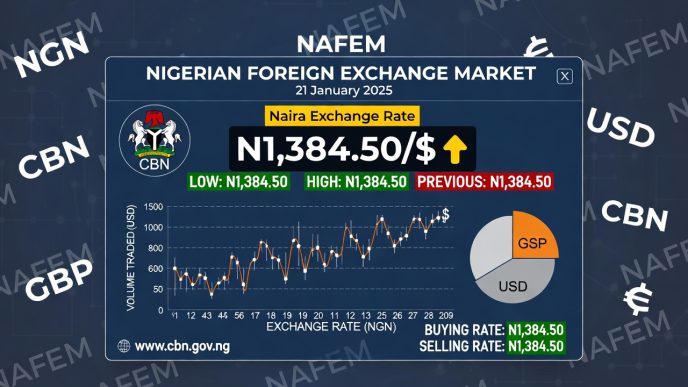
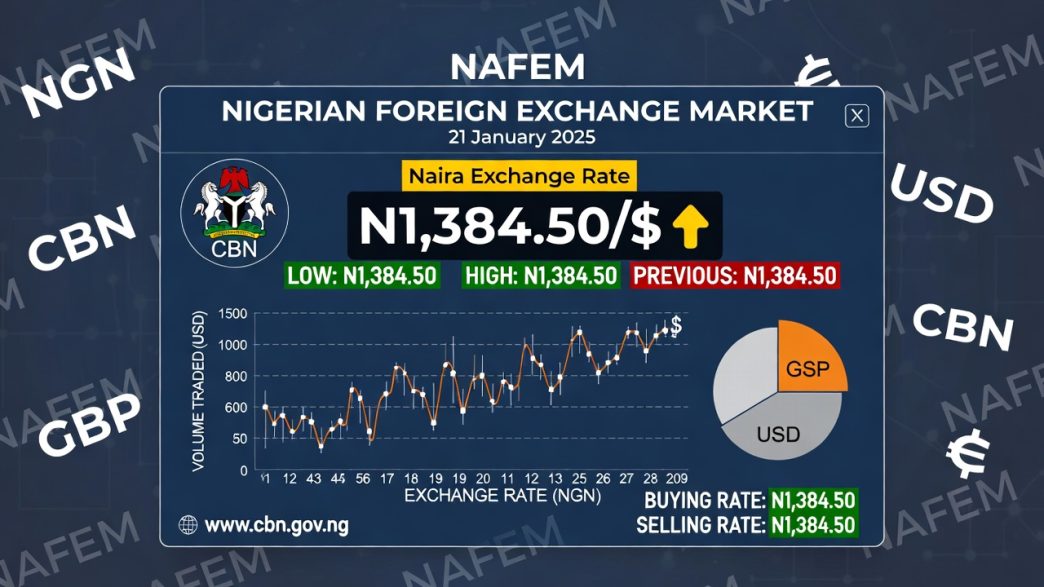
Historically, foreign parent entities funded their Nigerian subsidiaries via dollar-denominated intercompany loans. However, with the NFEM rate hovering around =N=1,362.21 per dollar, these unhedged foreign obligations have triggered massive, unsustainable foreign exchange losses on local books, forcing a structural pivot toward equity capitalisation.
Main Details
Under this strategy, startups execute debt-to-equity swaps, formally extinguishing the dollar liability in exchange for issuing local shares to the parent company. By registering these conversions through the Central Bank of Nigeria’s eCCI portal, companies convert past debt into fully recognized foreign equity inflows, securing unhindered future dividend repatriation rights without introducing new cash. 
Why It Matters
This trend is critical for startup survival and valuation preservation. Moving liabilities from debt to equity eliminates recurring dollar interest obligations, significantly improves leverage ratios, and cleans up balance sheets, making local subsidiaries highly attractive for future local or international investment rounds.
Conclusive Thoughts
As NFEM exchange rate hedging remains a primary priority in Nigeria, intercompany loan conversion has evolved from a niche accounting fix into a vital startup corporate finance restructuring playbook, ensuring long-term fiscal resilience.
Explore more stories on startups, funding, and innovation across Africa in our Startups & Funding section.