




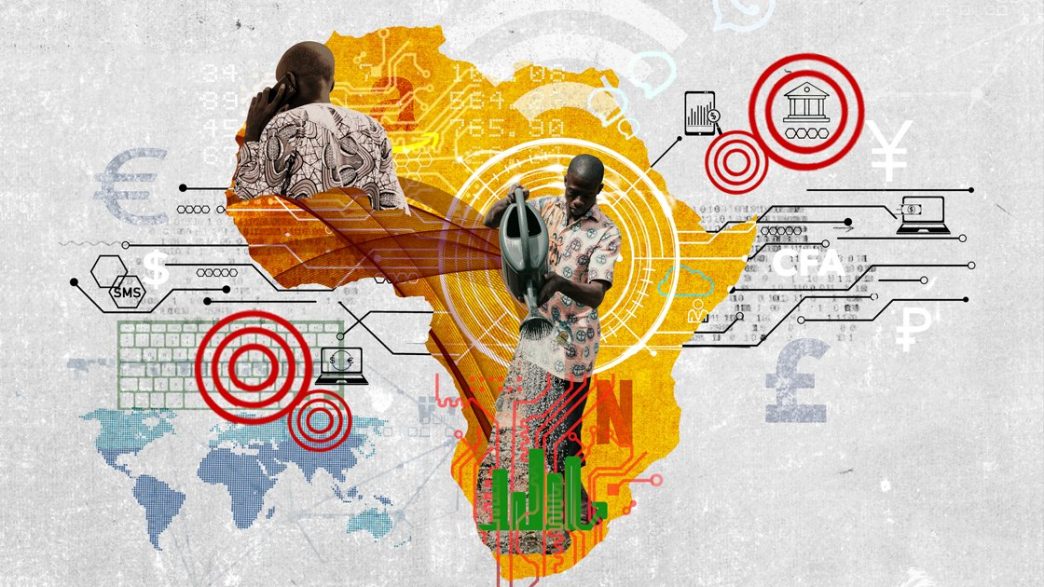
The recent shutdown of cross-border payment infrastructure startup Chimoney highlights a quiet crisis gripping African B2B fintechs. It wasn’t merely a macroeconomic “funding winter” that ended the Techstars-backed startup’s four-year run, but the crushing operational weight and capital intensity of regulatory compliance across multiple continents.
The Multi-Jurisdictional Burden
Chimoney built an innovative API supporting 41 currencies across North America, Africa, and Latin America, integrating bank rails, mobile money, and stablecoins. However, operating at a global venture scale requires immense capital. Regulatory frameworks like Canada’s new Retail Payment Activities Act (RPAA) demand rigorous audits, licensing fees, and massive liquid capital reserves—structural realities that quickly exhaust early-stage runways.
Why It Matters
Chimoney’s orderly wind-down—refunding all client wallets through August 31, 2026—serves as a stark warning for the continent’s tech ecosystem. It proves that the barrier to entry for international B2B fintech is no longer the code or the product, but the sheer cost of legal compliance. For downstream African startups relying on unified third-party APIs for global payroll, this exit creates immediate platform dependencies and forces a rethink of infrastructure architecture. 
Conclusive Thoughts
As Chimoney preserves its hard-won licenses in a dormant state, the editorial takeaway for the African tech corridor is clear. In the current regulatory epoch, fintech founders can no longer afford to prioritize product building over distribution; they must either secure heavy institutional capital upfront or bootstrap a hyper-local, profitable beachhead before eyeing global horizons.
Explore more stories on startups, funding, and innovation across Africa in our Startups & Funding section.






Quick question, have you ever Googled **”[company name] reddit”**?
A lot of buyers do before paying. They want to see real experiences, recommendations, complaints, comparisons, etc.
The thing is, most companies keep showing up in the same old ranking threads or conversations they’re not part of.
It matters even more now because AI tools increasingly pull recommendations and sentiment from Reddit when answering users.
If you want to increase the number of positive, credible Reddit discussions that appear when people search for your brand, I can help.
Worth a quick chat?
Hello, David. Thank you for youjr comment. Yep.