




Nigeria’s digital economy has historically been the leading destination for African tech capital. However, persistent macroeconomic pressures, global interest rate hikes, and severe currency volatility have caused international institutional investors to scale back large equity checks. This unique terrain, discussed heavily at the Victoria Island summit, marks Nigeria as the only “Big Four” African tech hub to experience a multi-year investment contraction.
The Context
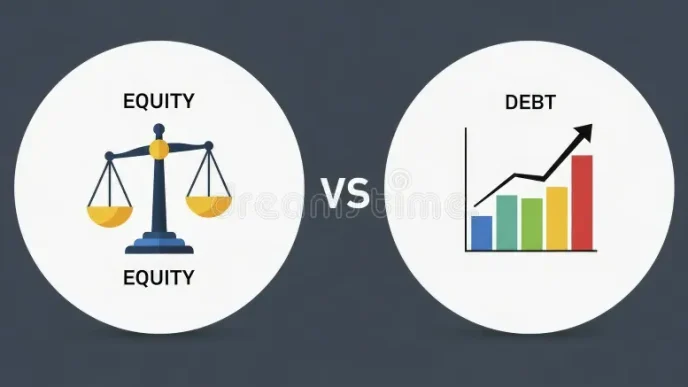
The funding squeeze is fundamentally reshaping deal architecture across the Lagos tech ecosystem. With traditional institutional Series A rounds drying up, local founders are turning to syndicated angel pools and hybrid cross-border debt networks to survive. Crucially, while large ticket check sizes are shrinking, early-stage deal velocity remains high, meaning startups must assemble fragmented, multi-angel rounds to meet their capitalization targets.
Main Details
The funding squeeze is fundamentally reshaping deal architecture across the Lagos tech ecosystem. With traditional institutional Series A rounds drying up, local founders are turning to syndicated angel pools and hybrid cross-border debt networks to survive. Crucially, while large ticket check sizes are shrinking, early-stage deal velocity remains high, meaning startups must assemble fragmented, multi-angel rounds to meet their capitalization targets. 
Why It Matters
This funding shift democratizes early-stage tech governance. By relying on highly networked angel syndicates rather than rigid, monolithic foreign funds, local startups gain strategic international connectors who offer hands-on regulatory navigation and cross-border expansion support rather than just passive capital.
Conclusive Thoughts
Nigeria’s startup landscape is transitioning from speculative, growth-at-all-costs valuations to a grounded model built on cash-flow discipline and syndicated resilience. As cross-border angel syndicates mature, their collective checks will form the bedrock of the continent’s self-sustaining investment architecture.
Explore more stories on startups, funding, and innovation across Africa in our Startups & Funding section.