



African tech startups successfully crossed the $1 billion threshold, pulling in $1.208 billion across 151 disclosed deals in the first half of 2026 (H1 2026). However, fresh ecosystem data reveals a severe underlying equity crunch, with median deal sizes dropping by nearly half, leaving founders to lean heavily on venture debt, asset-backed lending, and climate finance to survive.
The Context
Following the prolonged venture capital drought of 2023–2024, international equity investors have significantly tightened their risk frameworks on the continent. Equity checks are shrinking as valuations face correction. To prevent highly damaging downrounds, tech founders are radically restructuring their cap tables, relying instead on debt instruments to bridge capital gaps and maintain operational runways.
Main Details
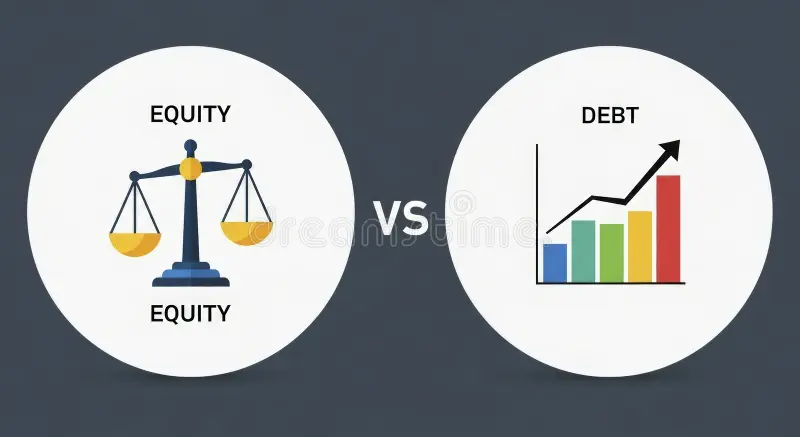
Data from the first half of the year highlights a dramatic structural shift: debt-labeled transactions—including corporate bonds, credit lines, and securitizations—surged to account for 36.7% of all disclosed capital, up from 18.5% last year. Meanwhile, the median deal size plummeted from $4.65 million to $2.65 million, exposing how much less equity a typical founder can secure. Sector activity has heavily narrowed into fintech and mobility, which command 47% of all transactions due to their debt-financeable collateral, like asset pools and payment receivables. 
Why It Matters
This structural realignment marks a critical evolution for the tech ecosystem. Startups can no longer rely purely on equity to subsidize early-stage operational losses. Accessing capital now depends entirely on maintaining ironclad unit economics and possessing physical, ring-fenced collateral. This environment favors established e-mobility and fintech players while creating severe funding bottlenecks for early-stage software, deep tech, and healthcare startups that lack hard assets.
Conclusive Thoughts
The milestone achieved in H1 2026 shows that capital is available, but its shape has fundamentally changed. As debt displaces equity as the primary survival mechanism, Nigerian founders must prioritise cash flow efficiency and clear paths to profitability to stay attractive to institutional lenders and navigate this new financing landscape.
Explore more stories on startups, funding, and innovation across Africa in our Startups & Funding section.