


Nigeria’s fintech ecosystem is facing a new generation of fraud. As digital banking adoption accelerates, fraud groups are becoming increasingly sophisticated, using synthetic identities and manipulated biometric data to bypass legacy onboarding systems.
What was once a simple identity verification challenge has evolved into a broader security problem. In response, leading digital banks are redesigning their onboarding frameworks around a more advanced security philosophy: zero-trust identity verification.
The result is a major shift toward multi-layered risk assessment powered by telecommunications data, behavioral analytics, and transaction telemetry. 
Why Legacy Verification Is Struggling
Traditional onboarding systems rely heavily on document verification and biometric matching.
These methods were effective against basic identity fraud.
However, modern fraud operations now combine stolen credentials, AI-generated facial images, manipulated videos, and synthetic personal information to create highly convincing identities.
As a result, systems that depend on a single verification layer are becoming increasingly vulnerable.
The Rise of Synthetic Identity Fraud
Synthetic identity fraud involves creating new identities by blending real and fabricated information.
Fraudsters may combine legitimate personal records with altered photographs, fake contact details, and AI-generated supporting evidence.
Because parts of the identity are genuine, detection becomes significantly more difficult.
Therefore, fintech providers are shifting away from static verification toward continuous risk analysis.
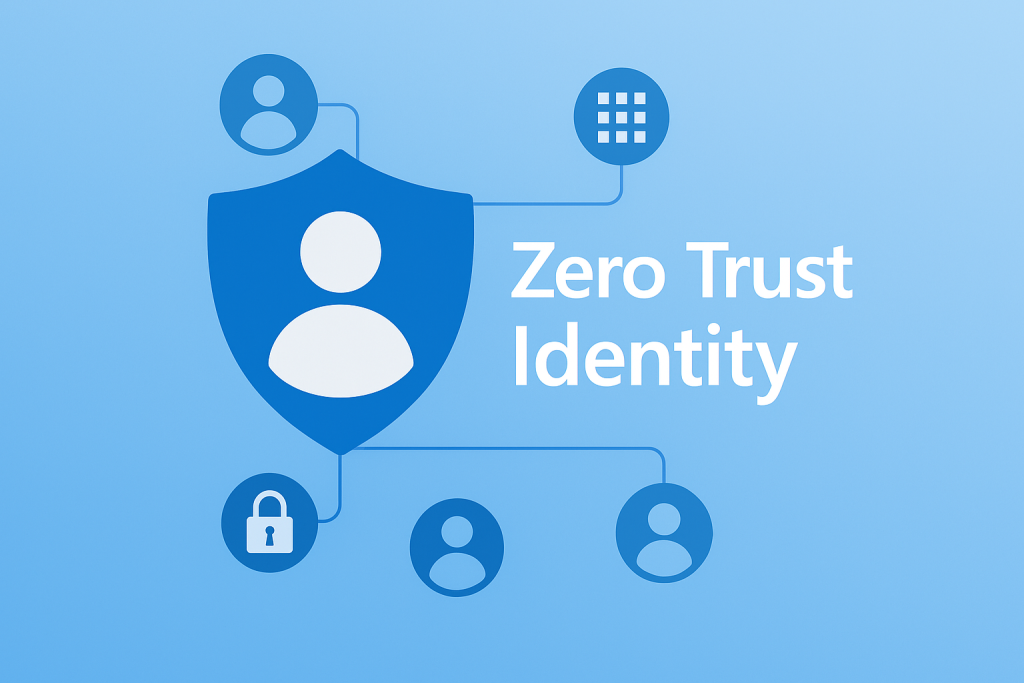
What Zero-Trust Identity Means
The zero-trust model assumes that no identity should be trusted automatically, even after initial verification.
Instead, every interaction is evaluated continuously using multiple signals.
This approach requires systems to validate not only who a user claims to be, but also whether their behavior matches expected patterns.
As a result, trust becomes dynamic rather than permanent.
Telecommunications Data as a Security Signal
One of the most important developments is the use of telecommunications identity signals.
Mobile network information can provide additional context about:
- SIM ownership history
- Device consistency
- Location patterns
- Network activity behavior
By incorporating these signals, fintech platforms gain deeper visibility into identity authenticity.
Therefore, fraud detection becomes more accurate.
The Power of Transaction Telemetry
Transaction telemetry is emerging as another critical defense layer.
Rather than focusing solely on identity documents, institutions analyze how users interact with financial systems.
This includes:
- Transaction frequency
- Spending behavior
- Login patterns
- Device usage history
- Payment routing activity
As a result, unusual behavior can trigger risk alerts even when identity credentials appear legitimate.
Cross-Platform Risk Scoring
Leading digital banks are increasingly blending identity, telecommunications, and transaction data into unified risk-scoring systems.
These models generate real-time assessments of customer trustworthiness.
Therefore, suspicious activity can be detected before significant losses occur.
In addition, risk scoring improves onboarding decisions without creating excessive friction for legitimate users.
Why This Matters for the Digital Economy
As Nigeria’s digital finance ecosystem expands, identity security becomes foundational infrastructure.
A successful synthetic identity attack can affect lenders, payment providers, banks, and consumers simultaneously.
Therefore, strengthening onboarding frameworks protects both individual institutions and the broader digital economy.
Challenges Ahead
Despite the advantages, advanced verification systems introduce new challenges.
Financial institutions must balance:
- Security effectiveness
- Customer experience
- Privacy considerations
- Regulatory compliance
- Infrastructure costs
Therefore, implementation requires careful design and governance.
Conclusion
The battle against synthetic identity fraud is pushing Nigerian fintechs toward a new security paradigm.
By combining telecommunications identity signals, transaction telemetry, and zero-trust principles, digital banks are building more resilient onboarding systems.
Ultimately, the future of fintech security will depend not on a single biometric check, but on the intelligent integration of multiple trust signals across the entire customer journey.