




Meta’s aggressive rollout of WhatsApp Native Storefronts and integrated in-app payments is reshaping Nigeria’s social commerce space. This move creates a direct confrontation between the global tech giant and local “enabler” platforms like Ushoppen and Bumpa, forcing thousands of small-scale vendors to choose between convenience and specialized business management tools.
The Social Commerce Shift
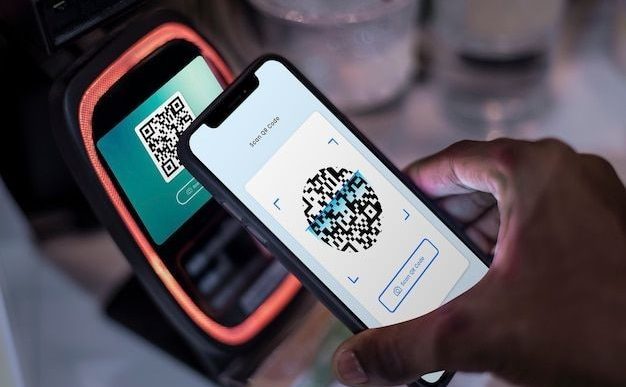
For years, Nigerian “Instagram vendors” used WhatsApp merely for communication, relying on external links for payments. With Meta’s 2026 update, the entire checkout process—from catalog browsing to Naira settlement—now happens within the chat. This “walled garden” approach aims to capture the $12 billion African social commerce market, posing a threat to local startups that built their value proposition on bridging this gap.
Why It Matters
For the average vendor, the “Battle for the Storefront” determines their operational independence. While WhatsApp simplifies the sale, independent enablers offer a “business-in-a-box” that protects sellers from being platform-dependent. If a vendor’s WhatsApp account is flagged or banned, their entire business infrastructure disappears—a risk local platforms mitigate. 
Concluding Thoughts
The rise of native WhatsApp payments is not a death knell for local enablers, but a catalyst for evolution. To survive the Meta onslaught, Nigerian startups must pivot from being mere “payment links” to becoming indispensable “growth partners” for the modern digital merchant.
Explore more stories on startups, funding, and innovation across Africa in our Startups & Funding section.