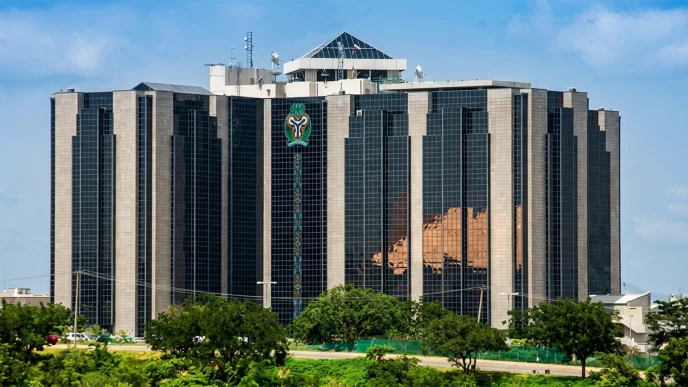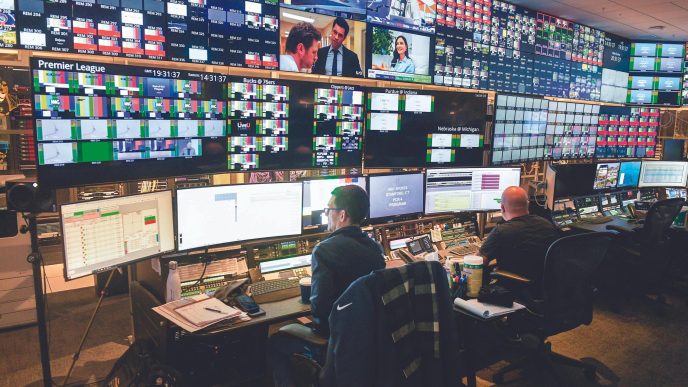



The National Broadcasting Commission (NBC) has ignited a fierce debate over press freedom following a “stern warning” issued on April 17, 2026, targeting a perceived decline in professionalism among anchors and presenters. Citing a rise in breaches of the 6th Edition of the Nigeria Broadcasting Code, the regulator has declared that any presenter who expresses personal opinions as fact, intimidates guests, or denies a fair hearing to opposing views will now be hit with a Class B breach sanction. While the NBC frames this as a necessary safeguard for “national cohesion” ahead of the 2027 polls, digital newsrooms and independent streamers view the move as an aggressive pivot toward state-sponsored censorship of the digital town square.
The 2027 Election “Pre-Emptive” Strike
With the 2027 general elections looming, the NBC is moving to tighten its grip on the narrative. Historically, the Commission’s power was concentrated on traditional radio and TV, but the 2026 guidelines make it clear that Digital Newsrooms and online broadcast entities are now firmly within the regulatory crosshairs. The regulator argues that the “Crisis of Anchor Professionalism”—where presenters act as participants rather than moderators—is fuelling misinformation and ethnic polarization across the digital airwaves.
Neutrality or Muzzling?
The new enforcement regime introduces several high-stakes constraints for digital broadcasters: 
- The Opinion Ban: Under Section 1.10.3 of the Code, presenters are strictly barred from expressing personal views, even during live analysis.
- Non-Delegable Responsibility: Stations are now held “fully liable” for the comments of their guests; a guest’s “hate speech” is now legally the station’s failure.
- Class B Sanctions: Violations now lead to immediate fines and potential license suspensions, creating a “chilling effect” on investigative political reporting.
Why It Matters
This story is a watershed moment for the “New Media” class in Nigeria.
- Digital Reach vs. Regulatory Risk: Independent streamers who once felt “untouchable” on platforms like YouTube and X (formerly Twitter) are now being forced to adopt “Traditional Standards” or face being de-platformed via regulatory pressure on ISPs.
- The Cost of Compliance: Smaller newsrooms now need legal “compliance officers” just to vet live scripts, a financial burden that could kill independent media startups.
- Self-Censorship: The fear of a “Class B” breach is already causing anchors to shy away from “hard-talk” interviews, directly impacting the public’s right to information.
Walking the Tightrope
The NBC’s “Neutrality” crackdown has placed Nigeria’s digital newsrooms on a razor’s edge. While the goal of curbing hate speech is noble, the methods employed threaten to sanitize the very discourse that holds power to account.
Explore more stories on startups, funding, and innovation across Africa in our Startups & Funding section.