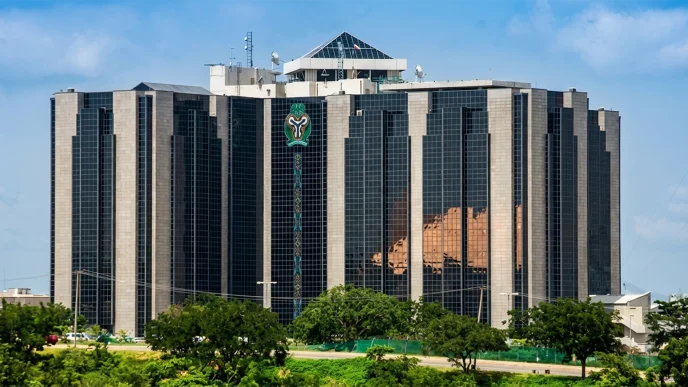




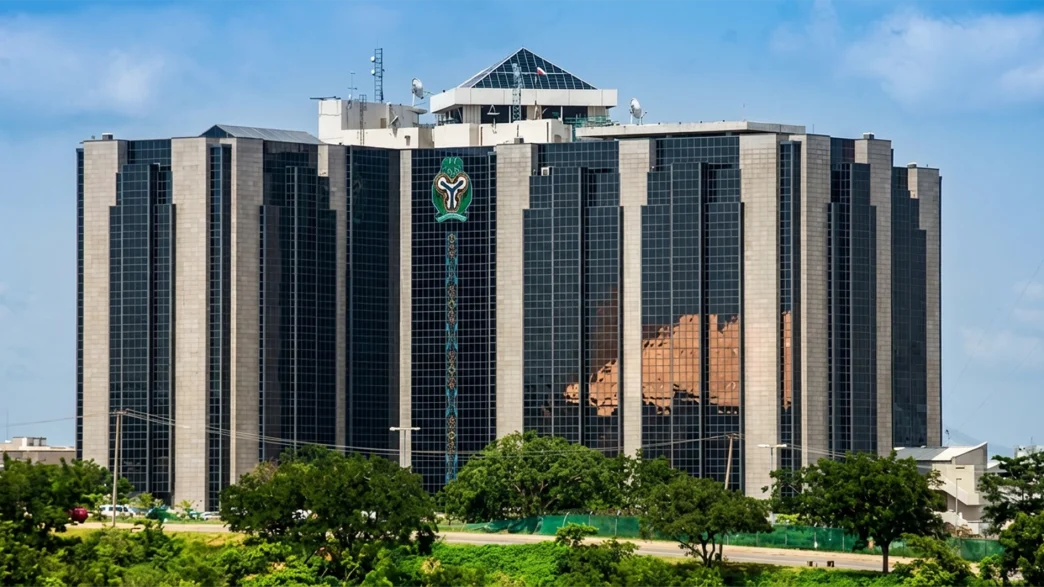
In a decisive move to sanitize Nigeria’s digital financial system, the Central Bank of Nigeria (CBN) and the Nigerian Communications Commission (NCC) have finalized a landmark agreement to launch a unified “Red-Flag” database. This system will automatically tag and blacklist mobile numbers linked to verified fraudulent transactions across all telecommunications networks and financial institutions. While the mandate promises to drastically reduce the ₦115 billion lost annually to mobile-based fraud, it has sparked an urgent debate regarding the potential slowdown of fintech onboarding speeds and the protection of citizens’ data privacy rights under the NDPR.
The Mobile-Fraud Pandemic
For years, “SIM-swapping” and social engineering have been the primary tools for cybercriminals in Nigeria. Once a fraudster is flagged by a bank, they often simply discard the SIM and register a new one, exploiting the lack of real-time data sharing between telcos and lenders. The 2026 “Whitelisting” Mandate closes this loophole by creating a centralized, API-driven repository where a “Red Flag” on a bank account instantly triggers a high-risk status on the associated MSISDN (mobile number).
Real-Time Tagging vs. Privacy
The new framework requires all licensed fintechs and telcos to query the database during every new user registration. 
- Automatic Flagging: If a mobile number is linked to a previous fraudulent “off-ramp” or unauthorized transfer, the system prevents the creation of a new wallet or SIM registration.
- The “Grey-List” Buffer: Numbers with “unverified” reports enter a 48-hour cooling-off period, allowing for manual investigation before a total block.
Why It Matters
This mandate reshapes the “Growth vs. Governance” balance for Nigerian tech:
- Onboarding Friction: Fintechs that pride themselves on “30-second sign-ups” may see drop-offs as the mandatory “Red-Flag” check adds an extra layer of latency.
- Investor Confidence: A cleaner ecosystem with lower fraud rates is likely to attract more global Series B funding, which has been wary of “high-risk” African markets.
- Data Sovereignty: The NDPC (Nigeria Data Protection Commission) must now oversee how this “blacklist” is managed to ensure it doesn’t become a tool for unauthorized surveillance.
A High-Stakes Digital Filter
The CBN and NCC’s “Whitelisting” mandate is a bold attempt to build a “Trust Layer” for Nigeria’s 2026 digital economy. While the security benefits are undeniable, the success of the program depends on the transparency of its “clearing” process.
Explore more stories on startups, funding, and innovation across Africa in our Startups & Funding section.