


The Nigerian media spaceis bracing for a high-stakes constitutional showdown as the Nigerian Guild of Editors (NGE) and major media proprietors prepare a legal challenge against the National Broadcasting Commission (NBC). The dispute centers on the controversial “Non-Delegable Responsibility” clause, which holds broadcasting stations strictly liable for live comments made by guests. Following a series of Class B sanctions issued in late April 2026, broadcasters argue that the rule violates the constitutional right to a fair hearing and effectively forces digital newsrooms into a state of “preventive censorship,” fundamentally altering how live talk shows and digital podcasts operate in Nigeria.
The Liability Loophole
The tension escalated following the NBC’s April 17 warning regarding “professional standards.” Under current guidelines, if a guest on a live program utters “un-neutral” or inciting remarks, the station—not the individual—bears the brunt of heavy fines and potential license suspension. This “strict liability” model has long been a point of friction, but the 2026 enforcement surge has pushed the industry to seek judicial intervention to define where a broadcaster’s responsibility ends and a guest’s freedom of speech begins.
The “Digital Vetting” Chill
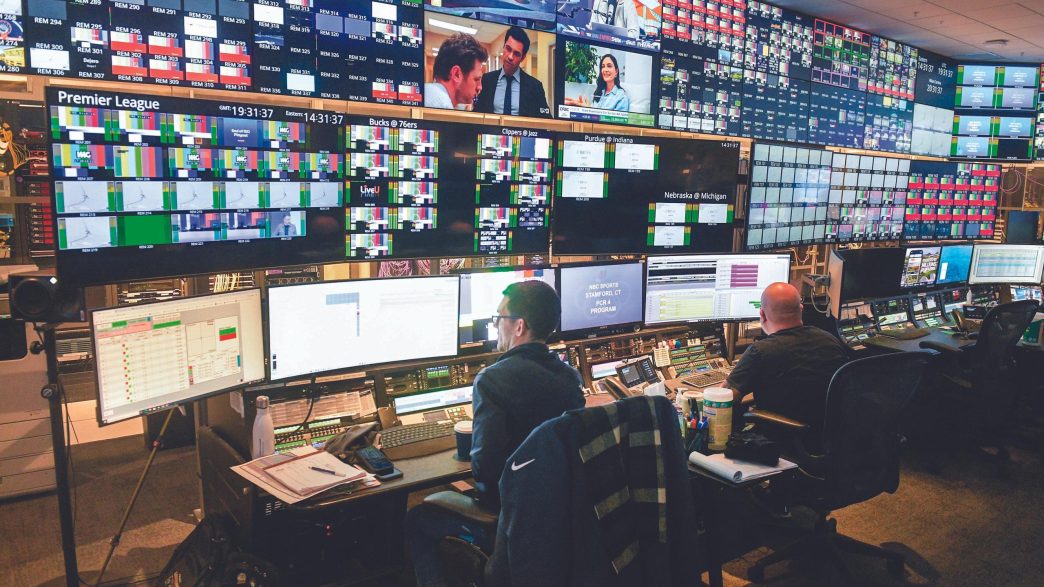
The legal challenge focuses on the impossibility of controlling live, unscripted discourse. As a result, major digital talk shows are already overhauling their guest-vetting protocols: 
- Pre-Recorded Shifts: Many “live” digital news programs are moving to “live-to-tape” to allow for legal vetting of guest comments.
- Indemnity Contracts: Platforms are now requiring guests to sign rigorous indemnity forms, though their legal standing against an NBC fine remains untested.
- The “Shadow Ban” List: There are growing reports of a “risk-averse” approach, where controversial but vital voices are being excluded from the airwaves to avoid regulatory triggers.
Why It Matters
This battle is critical for the 2027 election cycle and the broader digital economy:
- Press Freedom: If the courts uphold the NBC’s rules, investigative and critical live journalism will be replaced by sanitized, “safe” content.
- Operational Costs: Newsrooms are being forced to invest in expensive delay-broadcasting technology and legal compliance teams, a cost that many independent digital startups cannot afford.
The Democratic Town Square: Limiting the diversity of voices on air reduces the public’s ability to engage with dissenting viewpoints
A Verdict on the Airwaves
The “Fair Hearing” mandate is more than a legal technicality; it is a test of Nigeria’s democratic resilience in the digital age. As the Guild of Editors heads to court, the outcome will determine whether broadcasters remain the “watchdogs” of society or are relegated to being “gatekeepers” for the state. The right to broadcast must not come at the cost of the right to be heard.
Explore more stories on startups, funding, and innovation across Africa in our Startups & Funding section.