



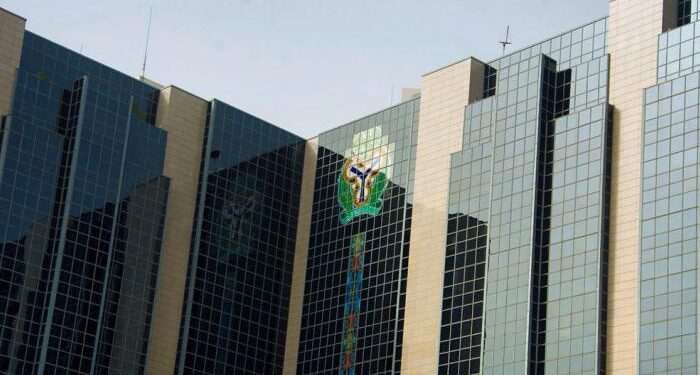
The Central Bank of Nigeria (CBN) has officially released an exposure draft for the establishment of a 30-member Mediation and Dispute Resolution Panel (MDRP), a specialized body designed to fast-track conflicts in secured lending. Under the new guidelines, this panel will hold exclusive “first-instance” jurisdiction over civil disputes arising from the Secured Transactions in Movable Assets (STMA) Act, effectively barring parties from heading straight to court. By mandating a 90-day resolution window, the apex bank aims to unlock the “legal bottleneck” that has historically tied up billions in movable collateral, such as equipment and inventory, providing a more transparent and cost-effective alternative to traditional litigation.
The Paralysis of the Judicial System
For years, Nigeria’s credit market has been hampered by a “litigation trap.” When a borrower defaults on a loan backed by movable assets, the resulting legal battle can drag on for years in the Federal High Court. This uncertainty makes banks hesitant to accept anything other than landed property as collateral, effectively shutting out millions of MSMEs from the formal credit loop. The STMA Act of 2017 initially proposed a mediation panel to solve this, but it remained largely dormant. Today’s enforcement of the MDRP guidelines is the CBN’s decisive move to finally operationalize that law and de-risk the lending environment.
A Professional Pool of Arbitrators
The core of the new framework is the 30-member pool of experts appointed by the CBN. These individuals are not just bureaucrats; they are professionals with at least 10 years of experience in law, banking, or alternative dispute resolution (ADR). 
How it Works:
- Rotational Panels: Cases will be heard by smaller sub-panels of three members chosen from the 30-member pool.
- The 90-Day Rule: Once a hearing begins, the panel has exactly 90 days to deliver a decision.
- Enforceability: Decisions reached by the panel are legally binding and can be enforced in court as consent judgments, significantly reducing the grounds for appeal.
Why It Matters: Moving the Needle on Consumer Protection
This isn’t just about helping banks; it’s about Consumer Empowerment.
- Cost-Effectiveness: Small business owners who previously couldn’t afford high-priced litigation now have a “specialized, cost-effective platform” to challenge unfair enforcement actions.
- Standardization: The guidelines introduce a uniform process for managing disputes, removing the “hidden rules” that often favour the party with the more expensive lawyers.
- Credit Flow: As resolution times become predictable, the “Risk Premium” on loans backed by movable assets will likely drop, leading to lower interest rates for borrowers.
Ending the Era of “Stalled Credit”
The 30-member mediation panel represents the most significant structural change to Nigeria’s credit dispute space in a decade. By forcing disputes out of the crowded courtrooms and into the hands of specialized mediators, the CBN is creating a “Shield” for both the lender and the borrower. For Nigerians, the verdict is clear: if the MDRP can maintain its 90-day promise, it will be the single greatest catalyst for MSME lending in 2026.
Explore more stories on startups, funding, and innovation across Africa in our Startups & Funding section.