


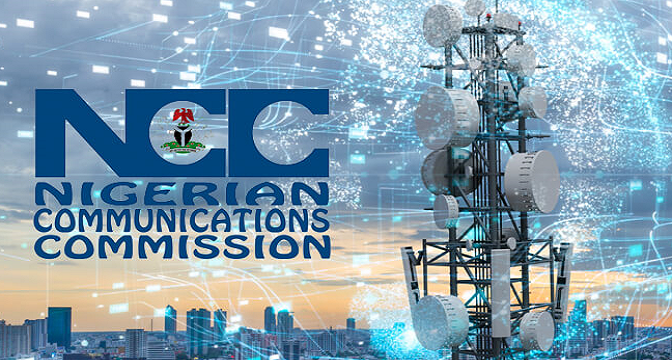
Effective April 2026, the Nigerian Communications Commission (NCC) has officially operationalized its Automatic Airtime Compensation Framework, mandating that Mobile Network Operators (MNOs) directly credit subscribers for “prolonged or repeated” poor service. Under this new regime, telcos must proactively identify affected users in specific Local Government Areas (LGAs) where Quality of Service (QoS) falls below regulatory benchmarks. By shifting from administrative fines to direct consumer restitution, the NCC is creating a massive financial liability for operators, effectively forcing a pivot from aggressive marketing spend toward urgent infrastructure stabilization.
The “Automatic Credit” Era
For over a decade, Nigerian telecom consumers have endured “blind outages” with little recourse beyond ignored helpdesk tickets. The Quality of Service Regulations 2024 and the Consumer Code of Practice laid the groundwork, but today’s enforcement represents a structural shift. The regulator is moving away from a model where fines were paid into government coffers; now, the penalty goes directly into the pockets of the 220 million active lines.
Accountability by the Minute
The framework is designed to be “hands-off” for the consumer but “high-stakes” for the provider. 
- Automatic Triggers: Operators are required to monitor network Key Performance Indicators (KPIs). When a “Call Drop Rate” or “Service Availability” threshold is breached in an LGA, all active, billed subscribers in that zone must be credited automatically.
- Direct Airtime: Compensation is issued as airtime with no usage restrictions, covering voice, SMS, and data failures.
- The Infrastructure Reality: The enforcement arrives as the industry grapples with 1,100 weekly fiber cuts and nearly 100 equipment theft incidents every seven days.
Why It Matters: Rebalancing the Sector
This policy matters because it changes the “Unit Economics” of Nigerian telecom.
- Infrastructure over Optics: Telcos can no longer hide poor network performance behind celebrity-led ad campaigns. A poor network now triggers an immediate, unbudgeted expense.
- Investor Realism: Future valuations of Nigerian MNOs will now factor in “Compensation Liability,” putting pressure on tower companies (Infracos) to deliver higher uptime.
- Consumer Empowerment: For the first time, the Nigerian subscriber is a “primary beneficiary” of regulatory enforcement, receiving instant value for service downtime.
The End of “Service-Free” Revenue
The “Dropped Call” Debt is a clear signal that the NCC is no longer tolerating a disconnect between high tariffs and low reliability. By linking telco revenue directly to network uptime, the regulator has turned every dropped call into a micro-liability. In the 2026 digital economy, the most successful telco won’t be the one with the best ads, but the one with the fewest fibre cuts.
Explore more stories on startups, funding, and innovation across Africa in our Startups & Funding section.