


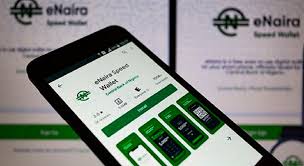
Nigeria’s central bank is making another push to revive its digital currency. Reports suggest the Central Bank of Nigeria is testing a “Wallet 2.0” upgrade for the eNaira.
This time, the focus is clear. The upgrade aims to connect eNaira wallets directly with local debit cards and bank accounts. As a result, users may soon move money seamlessly between traditional banking and digital currency systems.
From Isolation to Integration 
When the eNaira launched, it struggled with one major issue. It operated in isolation. Users had to move funds through separate steps, which created friction.
However, Wallet 2.0 changes that approach. With debit card integration, users can fund wallets instantly. They can also withdraw funds back to their bank accounts without delays.
Therefore, the system begins to feel familiar. It mirrors how people already use mobile banking apps.
Fixing the 2024 Adoption Problem
In 2024, adoption remained low. Many users complained about complex onboarding, limited usability, and poor interface design.
In addition, merchants saw little reason to accept eNaira. The system did not offer clear advantages over existing payment methods.
Now, the new upgrade targets these pain points. A smoother interface and faster transactions could improve user experience. Consequently, more people may be willing to try the platform.
Why UI and Experience Matter
Technology alone does not drive adoption. User experience plays a bigger role. If a system feels complicated, people avoid it.
Therefore, Wallet 2.0 focuses on simplicity. By linking debit cards, it removes extra steps. Users can interact with eNaira just like regular money.
Moreover, familiar interfaces reduce learning curves. This makes adoption easier for non-tech users.
The Role of Trust and привычка (Habit)
Even with improvements, adoption depends on trust. Nigerians already rely on bank apps and fintech platforms. These systems are fast and reliable.
As a result, eNaira must compete on convenience, not just innovation. It must offer equal or better performance than existing options.
In addition, user habits matter. People rarely switch systems unless they see clear benefits.
Can This Make eNaira Mainstream?
The Wallet 2.0 upgrade increases the chances. Integration removes a key barrier. It connects digital currency to everyday financial tools.
However, success is not guaranteed. The system must deliver consistent performance. It must also provide incentives for both users and merchants.
Furthermore, awareness campaigns will play a role. Many Nigerians still do not fully understand how eNaira works.
A Step Toward a Hybrid Financial System
This upgrade signals a broader shift. Nigeria is moving toward a hybrid system. Traditional banking and digital currency will coexist and interact.
If successful, eNaira could become part of daily transactions. It may no longer feel like a separate system.
Conclusion: Adoption Depends on Experience
The eNaira Wallet 2.0 upgrade addresses past weaknesses. It simplifies access and improves usability.
However, the real test lies in execution. If the experience matches user expectations, adoption could grow.
Ultimately, better technology alone is not enough. A smooth, familiar, and reliable experience will determine whether eNaira finally goes mainstream.