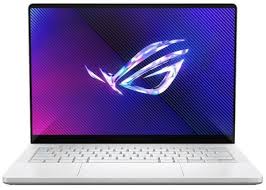



Today, iGadgets celebrated a major milestone in Lagos. The company graduated the first cohort of its Digital Scholarship program. Each student received a device and practical digital skills. As a result, the initiative moves beyond access and focuses on employability.
Moreover, the program arrives at a critical time. The 2025 global tech layoffs left many roles unfilled and disrupted talent pipelines. While companies reduced staff, demand for skilled workers did not disappear. Instead, it shifted toward job-ready talent with practical experience.
From Devices to Real Skills 
iGadgets designed the scholarship to close that gap. Students learned content creation, basic coding, digital marketing, and remote work tools. In addition, mentors guided them through real-world projects. Therefore, graduates leave with portfolios, not just certificates.
Furthermore, the program emphasizes consistency and accountability. Students completed weekly tasks and collaborated in teams. Because of this structure, they built both technical and soft skills. These include communication, problem-solving, and time management.
Bridging the Skill-to-Job Gap
Importantly, iGadgets connects training directly to job opportunities. The company partners with startups and small businesses in Lagos. Consequently, graduates can access internships, freelance gigs, and entry-level roles.
At the same time, local employers benefit from this pipeline. Many businesses struggle to find affordable, skilled workers. However, this program produces candidates who can contribute from day one. As a result, hiring becomes faster and less risky.
A Response to Talent Shortages
After the layoffs, Nigeria’s tech ecosystem faced a paradox. On one hand, many professionals lost jobs. On the other hand, companies still needed specialized skills. Therefore, targeted training programs like this one now play a key role.
In addition, these scholarships support inclusion. Many participants come from underserved communities. With access to devices and mentorship, they can now compete in the digital economy. This shift expands the talent pool and drives innovation.