


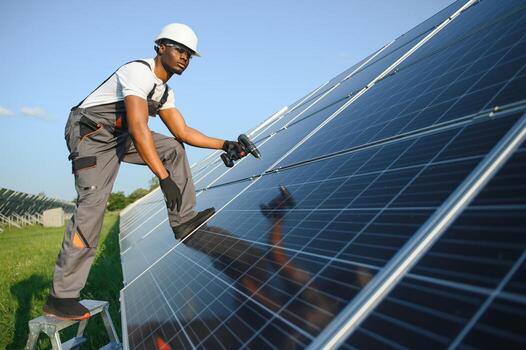
Following the total removal of electricity subsidies in 2026, Nigeria’s venture capital landscape has shifted significantly toward Climate-tech. Startups offering Solar-as-a-Service (SaaS) and pay-as-you-go (PAYG) residential solutions are now outperforming traditional Fintech in seed-stage funding, driven by a national urgency for affordable, reliable power.
The Post-Subsidy Energy Crisis
The final phase-out of the “Band A” electricity subsidies earlier this year sent grid tariffs soaring by over 200%, leaving millions of households in a fiscal crunch. While Fintech once dominated the Nigerian “Silicon Lagoon,” investors are now chasing “Real-World Assets” (RWA). According to recent data, Climate-tech attracted $340 million in Q1 2026, surpassing the payments sector for the first time in a decade.
Why It Matters
This shift represents the “de-risking” of Nigerian tech. Unlike speculative digital assets, solar infrastructure provides tangible utility. For the average Nigerian, the choice is no longer between grid or generator, but between a volatile bill and a stable, tech-enabled solar subscription. 
Conclusion
As Nigeria grapples with a high-inflation economy, the pivot to Solar-as-a-Service proves that the most successful startups are those solving visceral, daily pain points. In 2026, the brightest future for Nigerian VC isn’t in the cloud—it’s on the roof.
Explore more stories on startups, funding, and innovation across Africa in our Startups & Funding section.