


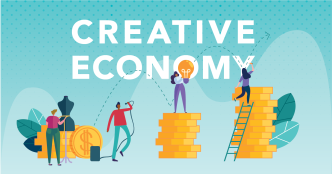
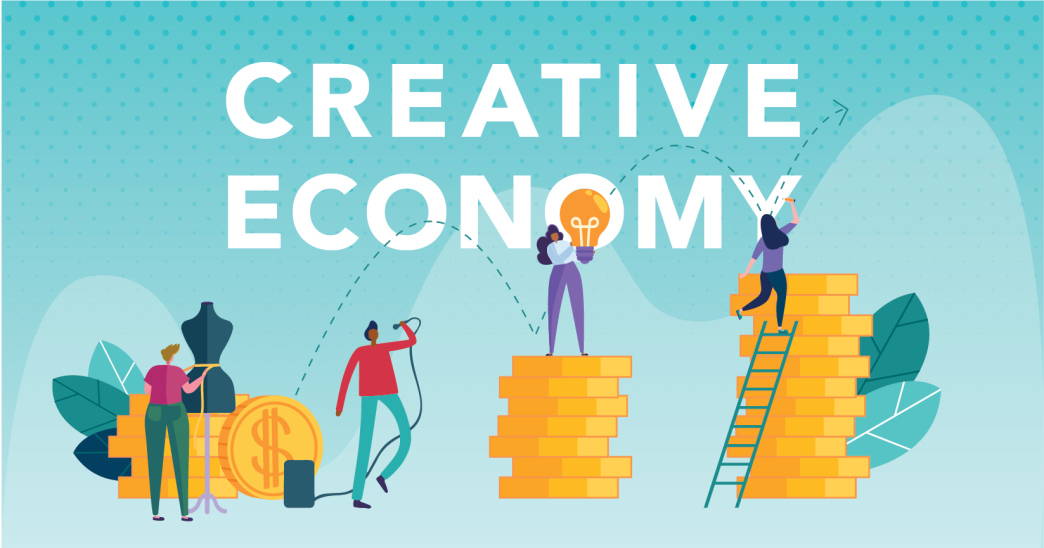
Nigeria’s creative sector is already a major economic force. New data from the UK-Nigeria Tech Hub shows the industry contributes about $3 billion to GDP and employs 4.2 million people.
However, the structure of this workforce reveals a deeper issue. Nearly 80% of creatives are self-taught and operate without formal financing.
As a result, the sector grows, but not at its full potential. 
A Talent-Rich but Capital-Poor Industry
Nigeria’s creative economy thrives on talent. Designers, video editors, content creators, and musicians continue to emerge across the country.
However, most of them learn through informal channels. They rely on online tutorials, peer networks, and trial-and-error.
Because of this, many lack access to structured funding. Banks often require documentation, collateral, or credit history, things most creatives do not have.
Therefore, talent exists, but capital does not flow easily.
Why the Financing Gap Matters
The absence of funding limits growth. Creatives struggle to invest in better tools, training, and distribution channels.
For example, a video creator may need high-end equipment. A designer may require software subscriptions. Without financing, scaling becomes difficult.
As a result, many creatives remain stuck at a small scale. They generate income but cannot expand into larger businesses.
The Role of the “Creative Fund”
To address this gap, the government is introducing a Creative Fund initiative. The goal is to provide accessible financing tailored to the sector.
Unlike traditional loans, this model may include flexible repayment structures and lower entry barriers.
Consequently, more creatives could access capital for the first time.
In addition, the fund aims to formalize parts of the industry. This could improve record-keeping and financial inclusion.
Can GDP Contribution Double by 2027?
The potential exists. If funding reaches a large portion of the underserved 90%, productivity could increase significantly.
With better tools and resources, creatives can produce higher-quality work. They can also reach global markets through digital platforms.
As a result, revenue generation could rise sharply. Exports of digital content, design services, and media products may expand.
However, funding alone is not enough.
Beyond Money: Skills and Structure
To maximize impact, financing must pair with skills development. Structured training can complement self-taught talent.
In addition, industry frameworks must improve. Clear pricing models, intellectual property protection, and distribution systems are essential.
Therefore, the Creative Fund should work alongside broader ecosystem support.
Risks and Implementation Challenges
Despite the opportunity, risks remain. Poor fund management could limit impact. In addition, access must remain inclusive to avoid favoring only established players.
Moreover, awareness is critical. Many creatives may not even know such funding exists.
Therefore, execution will determine success more than policy design.
A Turning Point for the Creative Economy
Nigeria’s creative sector already proves its value. It generates jobs, income, and global visibility.
However, its next phase depends on scale. Bridging the financing gap could unlock that scale.
Conclusion:
The “self-taught” gap highlights both strength and weakness. Nigeria has abundant creative talent, but limited financial support.
If the Creative Fund successfully reaches underserved creators, the sector could expand rapidly. GDP contribution may not just grow, it could transform.
Ultimately, the future of Nigeria’s creative economy depends on one factor: turning raw talent into funded, scalable businesses.