



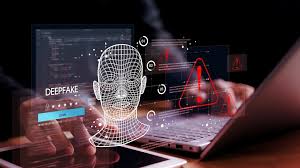
Deepfake phishing is emerging as a major cybersecurity threat, using AI-generated voice and video to impersonate trusted individuals. Experts warn that businesses and individuals must adopt stronger verification systems to prevent fraud and data breaches.
Cybercriminals are no longer relying only on fake emails and suspicious links. They now use artificial intelligence to create highly convincing voice notes, videos, and even live calls that mimic real people.
This growing threat, known as deepfake phishing, is reshaping cybersecurity risks across industries. From executives to everyday users, anyone can become a target. 
What Is Deepfake Phishing?
Deepfake phishing involves the use of AI tools to clone voices, faces, or identities to deceive victims. Attackers often impersonate CEOs, managers, or family members to request urgent payments or sensitive information.
Unlike traditional phishing, deepfake attacks feel real and personal, making them harder to detect.
Why Deepfake Attacks Are Rising
Easy access to AI tools
AI software that creates realistic voice and video clones has become widely available, lowering the barrier for cybercriminals.
Increased remote communication
Businesses now rely heavily on virtual meetings, voice notes, and messaging platforms, creating more opportunities for impersonation.
High success rate
Deepfake phishing exploits trust and urgency, which increases the chances of victims responding quickly without verification.
Real-World Impact
Organizations have already reported financial losses due to deepfake scams. In some cases, employees transferred large sums of money after receiving what appeared to be legitimate instructions from senior executives.
Individuals also face risks, as scammers impersonate friends or family members to request emergency funds.
How to Stay Protected
Verify before acting
Always confirm sensitive requests through a second communication channel, especially when money or data is involved.
Use multi-factor authentication
Strong authentication systems reduce the risk of unauthorized access.
Train employees
Organizations should educate staff on recognizing deepfake threats and responding cautiously.
Adopt AI detection tools
Cybersecurity firms now offer solutions that can identify manipulated audio and video content.
The Future of Cybersecurity
Deepfake phishing highlights a shift from technical hacking to psychological manipulation powered by AI. As these attacks evolve, cybersecurity strategies must go beyond firewalls and passwords.
Experts emphasize the need for human awareness, policy enforcement, and advanced detection technologies to combat this growing threat.
Conclusion
Deepfake phishing is redefining digital fraud by combining artificial intelligence with social engineering. As cybercriminals become more sophisticated, individuals and organizations must stay alert, verify communications, and strengthen security systems.
The fight against cyber threats now depends not only on technology but also on trust, awareness, and rapid adaptation.