



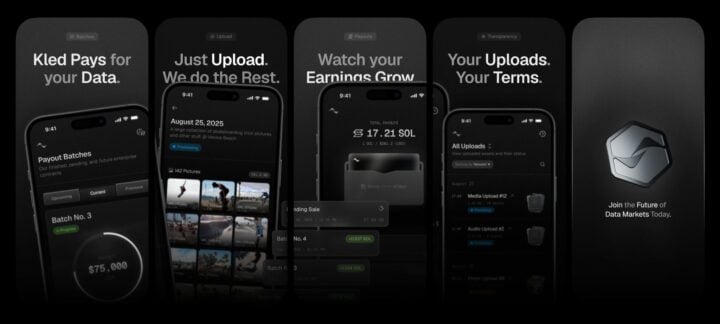
A major controversy is unfolding in the global AI ecosystem after reports emerged that Kled AI restricted access for Nigerian users, allegedly claiming that 95% of local traffic was linked to fraudulent activity.
The decision has sparked outrage across Nigeria’s tech community and raised concerns about a dangerous new possibility: digital quarantine.
When AI Platforms Start Blocking Countries
Traditionally, internet restrictions were tied to governments or sanctions. 
However, AI platforms now hold enormous gatekeeping power. If a global tool blocks a country, developers lose access to infrastructure, APIs, and productivity systems critical to innovation.
Therefore, the issue is bigger than one platform, it is about digital reputation at scale.
The “AI Blacklist” Risk
Nigeria already struggles with global perceptions around cybercrime.
Now, AI companies may increasingly use automated fraud-detection systems to flag entire regions.
As a result, legitimate developers risk being grouped together with malicious actors.
Therefore, the danger is not just restricted access, it is algorithmic discrimination.
Why This Matters for Nigeria’s Digital Economy
Nigeria’s $18.3 billion digital economy ambition depends heavily on access to global technology platforms.
Developers use AI tools for:
- Software development
- Automation
- Research and analytics
- Design and content generation
If access becomes restricted, innovation slows down.
In addition, startups may face higher costs and reduced competitiveness.
The Reputation Problem
The Kled AI controversy highlights a deeper issue: trust.
Global platforms increasingly rely on behavioral analytics and fraud monitoring systems.
If Nigeria develops a reputation as a “high-risk” market, more restrictions could follow.
Therefore, reputational damage becomes an economic risk.
The Impact on Developers
For developers, access to AI tools is no longer optional, it is foundational.
Blocking these services affects:
- Product development speed
- Learning opportunities
- Global collaboration
- Startup scalability
As a result, local talent may become isolated from the global AI ecosystem.
Can Nigeria Build Local Alternatives?
The incident also strengthens arguments for sovereign AI systems and local infrastructure.
If global platforms become unreliable or exclusionary, Nigeria may need:
- Local AI models
- Regional cloud infrastructure
- Domestic developer ecosystems
However, building competitive alternatives requires massive investment and expertise.
The Need for Digital Trust Infrastructure
To avoid future restrictions, Nigeria may need stronger digital trust systems.
This could include:
- Improved cybercrime enforcement
- Stronger identity verification systems
- Industry-led compliance standards
Therefore, the solution is not only technical, it is institutional.
Conclusion: A Warning Sign for the AI Era
The Kled AI restriction may appear isolated, but it reflects a larger global trend.
As AI platforms gain influence, access itself becomes a form of power.
Ultimately, Nigeria’s challenge is not just building a digital economy, it is ensuring that its developers are not locked out of the global systems that power it.