


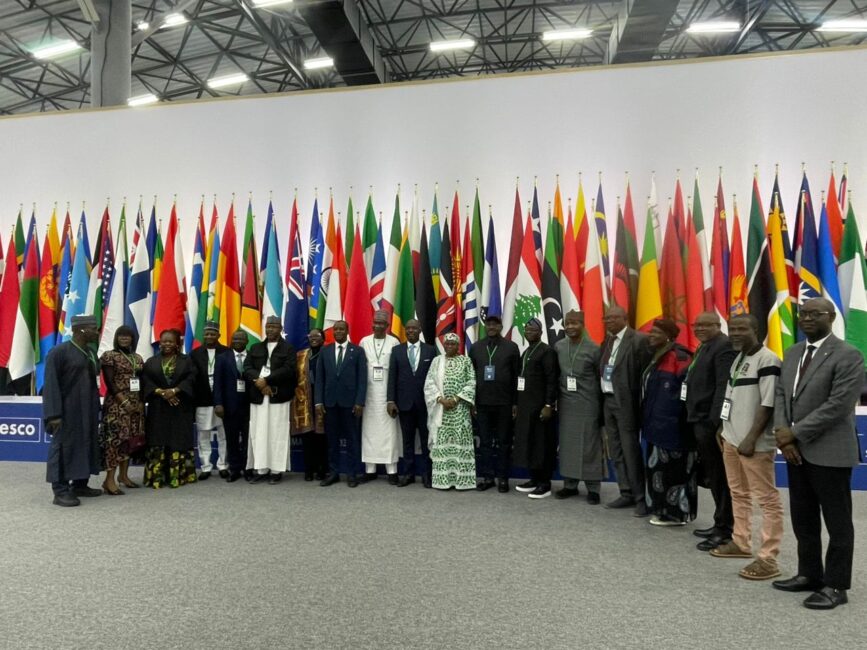
In a landmark move to fortify Nigeria’s information system, the International Media and Information Literacy Institute (IMILI) officially launched in Abuja today, April 30, 2026. This UNESCO-backed initiative is designed to serve as a strategic “shield” against the escalating tide of AI-generated misinformation and deepfakes. By standardizing media literacy across the federation, IMILI aims to empower citizens to “vet” digital news, though the move has sparked a heated debate: will it remain a beacon for democratic freedom, or evolve into a sophisticated layer of “soft censorship” for the Nigerian digital space?
The AI Misinformation Crisis
As Nigeria enters a high-velocity digital era, the proliferation of hyper-realistic AI content has outpaced traditional fact-checking. With over 100 million active internet users, the “viral potential” of false news has become a national security concern. IMILI emerges as the institutional response to this crisis, bridging the gap between technological advancement and critical consumption.
The Vetting Framework
IMILI operates as a tripartite hub for research, training, and policy advocacy: 
- Curriculum Standardization: Integrating media literacy into the basic education system to create a “digitally literate” workforce.
- The AI Sentinel: Collaborating with tech hubs to deploy local-language AI tools that help journalists verify the authenticity of video and audio files.
- Verification Standards: Establishing a voluntary “Trust Mark” for digital newsrooms that adhere to verified editorial protocols.
Why It Matters
The launch of IMILI is critical for the stability of the 2026 digital economy:
- Preserving Democracy: Reducing the impact of coordinated disinformation campaigns that target national stability.
- Economic Confidence: A trusted news environment encourages investment in the digital sector.
- Future-Proofing: Preparing Nigerians for the “Post-Truth” era where AI-generated content is the norm, not the exception.
Freedom vs. Filtration
The inauguration of IMILI marks a shift in Nigeria’s regulatory philosophy—from punitive measures to intellectual defense. Whether it remains a tool for empowerment or becomes a gatekeeper of digital discourse depends on its transparency.
Explore more stories on startups, funding, and innovation across Africa in our Startups & Funding section.