



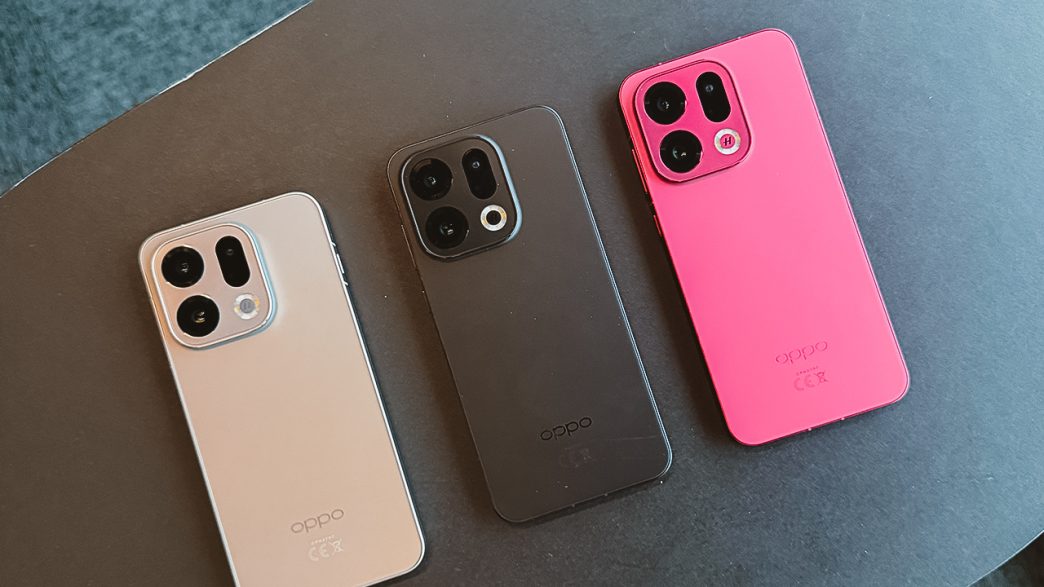
The smartphone race continues to evolve in 2026. The latest release from OPPO, the Find X9 Ultra, signals another leap in mobile performance. This flagship focuses heavily on local AI-driven camera processing and advanced on-device intelligence.
As a result, the conversation shifts beyond specs. It now connects directly to how smartphones support a growing mobile-first population.
A New Peak in Smartphone Performance 
The Find X9 Ultra represents the peak of current mobile hardware. It combines faster processors, improved battery efficiency, and stronger AI integration.
However, the standout feature is its local AI camera system. Instead of relying heavily on cloud processing, the device handles image enhancement directly on the phone. Therefore, photos load faster, consume less data, and work even in low-network conditions.
In addition, this reduces dependence on constant internet access. Consequently, users experience smoother performance across different environments.
The Rise of the Mobile-First Population
Across emerging markets, smartphones are now the primary gateway to the internet. This shift defines the “mobile-first” population.
In countries like Nigeria, many users skip traditional desktops entirely. Instead, they rely on smartphones for banking, education, entertainment, and work.
Therefore, device performance directly influences digital inclusion. A stronger smartphone does not just improve convenience, it expands access.
Connecting Hardware to Internet Penetration Goals
Nigeria continues to push for higher internet adoption. The goal of reaching 60% penetration depends on more than network infrastructure.
Device quality plays a major role. Even with coverage expansion, weak hardware limits user experience.
For example, slow phones discourage app usage and reduce engagement. However, high-performance devices encourage more active participation in digital services.
As a result, flagship smartphones indirectly support national connectivity goals.
Why AI-Driven Cameras Matter
Camera technology is no longer just about photography. It now supports content creation, e-commerce, and communication.
With local AI processing, the Find X9 Ultra improves real-time editing and image clarity. Therefore, users can create professional-quality content without external tools.
In addition, this supports the growth of digital entrepreneurship. Social sellers, creators, and freelancers benefit directly from better mobile tools.
Reducing the Digital Gap
High-end smartphones often raise concerns about affordability. However, they also set benchmarks for the entire industry.
Over time, mid-range devices adopt similar features. As a result, advanced AI tools gradually become more accessible.
Therefore, innovation at the top end eventually influences the broader market.
A Critical Link Between Devices and Inclusion
Internet penetration is not only about access. It is also about usage quality.
Even when users are online, weak devices limit their experience. Slow performance, storage issues, and poor processing power reduce engagement.
However, stronger smartphones like the Find X9 Ultra improve usability. Consequently, users interact more with digital platforms.
Conclusion:
The OPPO Find X9 Ultra highlights a larger trend. Smartphone innovation is no longer just about competition. It is now tied to digital development goals.
As mobile-first usage expands, device performance becomes critical infrastructure. Therefore, flagship smartphones play a role in shaping how populations connect, create, and participate in the digital economy.
Ultimately, the future of internet growth depends not only on networks, but also on the power in users’ hands.