



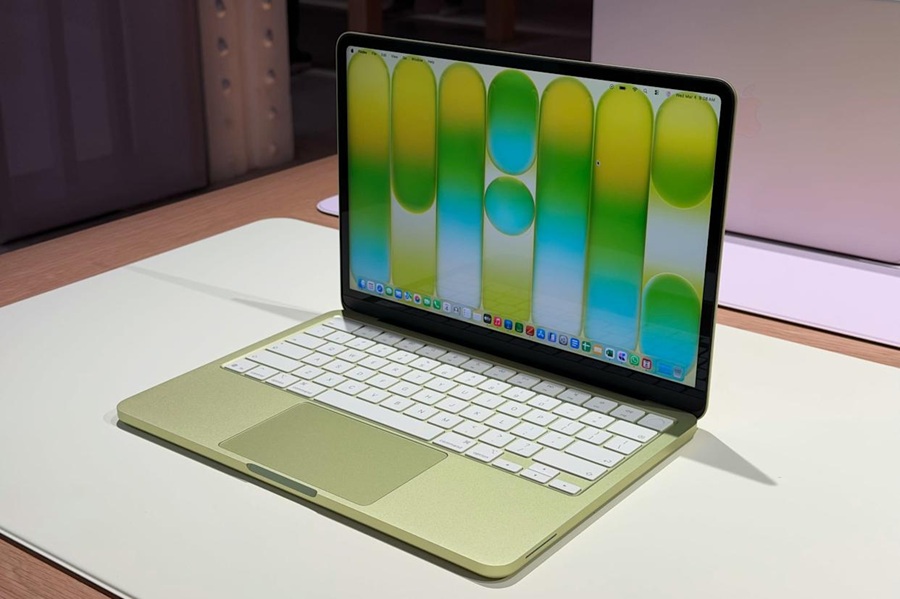
Apple launched the “MacBook Neo” in Nigeria. The laptop uses 100% recycled cobalt batteries. It also runs on the new “Cora” recycling line. This launch supports sustainable computing. It also promotes carbon-neutral hardware in emerging markets.
However, one key question remains. Will Nigerian companies pay more for sustainability? Or will price still dominate decisions?
Apple uses sustainability as a differentiator
Apple places environmental responsibility at the center of its strategy. The MacBook Neo highlights full cobalt recycling. It also reduces carbon emissions during production. In addition, it uses a closed-loop system through “Cora.” 
Furthermore, Apple links the device to global circular manufacturing trends. Sustainability drives competition in developed markets. Now, Apple tests demand in Nigeria. This market remains highly price-sensitive.
Nigerian buyers weigh cost and impact
In Nigeria, procurement still focuses on cost efficiency. Companies also value durability and after-sales support. As a result, many firms prefer affordable options. Environmental benefits often come second.
However, a shift is emerging. Multinational firms in Lagos adopt ESG goals. Banks now track sustainability metrics. Export-driven firms consider carbon reporting. These changes influence procurement decisions.
Still, demand for green hardware remains limited. It exists mainly within a small market segment.
Why price still dominates
Budget constraints shape Nigeria’s IT purchasing decisions. Inflation and currency changes increase costs. Infrastructure challenges also affect spending. Therefore, businesses focus on immediate value.
Moreover, many SMEs see hardware as a basic expense. They do not view it as a branding tool. Sustainability is not a top priority. As a result, price remains the main driver.
Can green hardware scale?
The MacBook Neo introduces new competition. It adds sustainability as a selling point. Adoption may grow if benefits become clear. These include better performance or longer lifespan.
In addition, policy incentives could support adoption. Over time, recycled materials may become standard. They may no longer be premium features.
A market in transition
Apple’s launch highlights a shift in Nigeria’s tech space. Interest in sustainable hardware is growing. However, price sensitivity still limits adoption.
The real test lies ahead. Will companies treat green tech as an investment? Or will they see it as a luxury?