



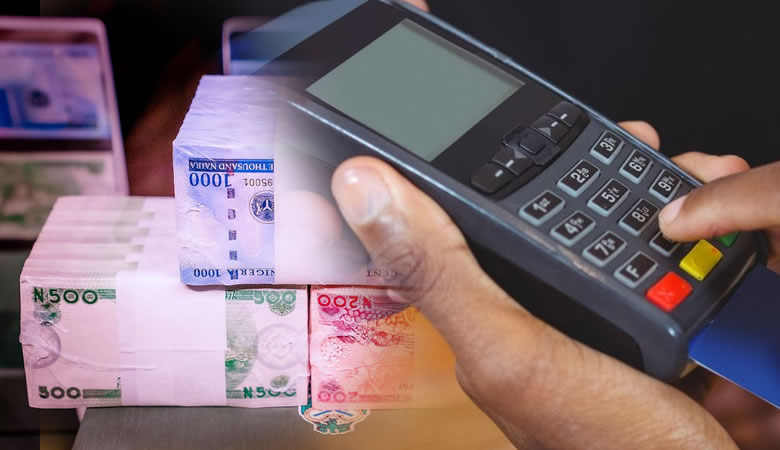
The Central Bank of Nigeria’s (CBN) “Single Principal” mandate has officially entered its hard enforcement phase as of April 1, 2026, forcing millions of Point-of-Sale (POS) agents to sever ties with multiple payment providers. Under the new Regulatory Framework for Agent Banking, agents are now strictly prohibited from operating terminals from more than one financial institution or super-agent. Designed to eliminate “responsibility dilution” in transaction failures and curb the ₦4.45 trillion shadow economy, the rule gives remaining non-compliant operators a final 14-day window before aggressive terminal deactivation and blacklisting begin.
Closing the “Multi-Terminal” Loophole
For years, Nigerian POS kiosks have resembled technological buffets, with agents juggling terminals from OPay, Moniepoint, and traditional banks simultaneously. This was a strategic survival tactic: if one network went down, the agent switched to the next to avoid losing a customer. However, the CBN argues that this multi-principal model created a “traceability nightmare,” allowing fraudulent transactions to be masked across different ledgers. By enforcing exclusivity, the apex bank aims to centralize accountability, ensuring that for every failed “human ATM” withdrawal, there is a single, identifiable institution responsible for the refund.
The New Rules of the Last Mile
The enforcement goes beyond just picking a favourite bank. The 2026 guidelines introduce several “hard-coded” operational constraints: 
- Exclusivity: Agents can only belong to one super-agent network or represent one bank.
- Transaction Caps: Individual withdrawals are capped at ₦100,000 daily, with a cumulative agent cash-out limit of ₦1.2 million.
- Geo-Fencing: Terminals must now be geo-tagged and operated from a fixed, approved location—minimum of a kiosk—ending the era of “roving” POS operators.
Why It Matters: The Financial Inclusion Paradox
This mandate presents a classic regulatory trade-off between Trustworthiness and Access.
- For the Economy: It significantly reduces fraud and “double-booking,” making the digital naira more secure.
- For the Agent: It increases operational risk. Without a backup terminal, “downtime” now equals a total loss of daily income.
- For Rural Nigeria: It threatens the progress of the last decade. If a single point of failure (the chosen bank) occurs, the “human ATM” becomes a useless piece of plastic, potentially driving rural dwellers back to hoarding physical cash.
The End of Choice?
The 14-day countdown is more than a technical deadline; it is a stress test for Nigeria’s digital infrastructure. As agents in Lagos and beyond consolidate their loyalty under a single banner, the burden now shifts to the fintechs to prove they can handle the increased load without breaking.
Explore more stories on startups, funding, and innovation across Africa in our Startups & Funding section.