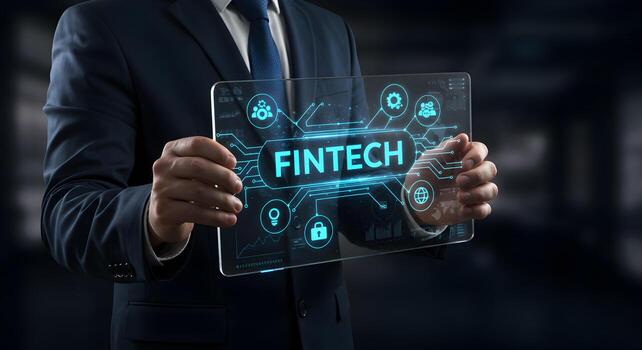




In a significant shift for Nigeria’s digital economy, fintech leaders BFREE and Carbon are transitioning from simple payment processors to sophisticated, AI-driven credit and debt-buying powerhouses. By leveraging deep behavioral analytics and non-performing loan (NPL) acquisition, these platforms are effectively “weaponizing” data to lend safely and recover ethically in a high-inflation environment that has sidelined traditional banks.
The Post-Predatory Era
For years, the Nigerian lending space was marred by “predatory” digital lenders using aggressive shaming tactics. However, 2026 has seen a regulatory crackdown by the FCCPC, which removed over 100 non-compliant operators from app stores this January. In this sanitized market, the “Credit-Buying” model has emerged as the superior strategy. Rather than just issuing new loans, companies like BFREE are purchasing distressed debt portfolios from commercial banks and using AI to restructure them into manageable, “dignified” repayment plans.
Why It Matters
This shift is the ultimate “de-risking” move for Nigerian fintech. In an economy with 25%+ inflation, fixed-interest lending is dangerous. By moving into “Stablecoin-backed” credit and AI-driven collections, BFREE and Carbon are proving that the real value in 2026 isn’t in moving money, but in managing the risk of money. For the average Nigerian, this means access to credit that is priced based on their actual behavior, rather than a generic (and often non-existent) bank credit score. 
Conclusive Thoughts
The “Credit-Buying” race signals the maturation of the Lagos tech corridor. As Carbon integrates SME-focused credit tools and BFREE expands its distressed asset acquisitions across Africa, the message to the newsroom is clear: the winners of 2026 are those who can turn “bad debt” into “good data.”
Explore more stories on startups, funding, and innovation across Africa in our Startups & Funding section.