




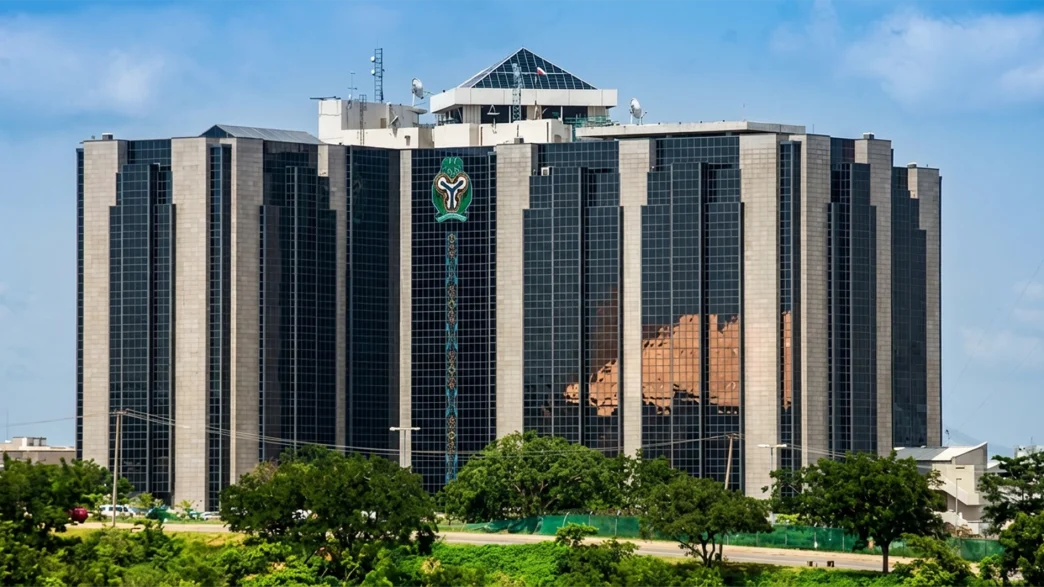
Following the landmark May 1, 2026, BVN security overhaul, the Central Bank of Nigeria (CBN) has activated a “Pause & Verify” mechanism, allowing financial institutions to place suspected accounts on a temporary 24-hour watchlist. This “time-lock” protocol empowers banks to freeze suspicious outgoing wealth in real-time while performing mandatory identity verification with the account holder. While the policy is a surgical strike against the “smash-and-grab” nature of digital heists, it has sparked an intense debate among high-velocity merchants who fear that a 24-hour transaction hold could lethally erode the “instant pay” advantage that defines the Nigerian fintech success story.
From Instant Speed to Intentional Friction
Nigeria’s NIBSS Instant Payment (NIP) system is among the fastest in the world, a feature that fraudsters have historically weaponized to move stolen funds through multiple “mule” accounts in seconds. The March 26 Addendum to the BVN framework, which took full effect this month, formally introduces intentional friction. By mandating a 24-hour pause for flagged BVNs, the CBN is betting that “slowing down the money” is the only way to prevent it from disappearing into the ether of untraceable offshore or crypto wallets.
The Mechanics of the “Pause”
The watchlist mechanism operates under strict regulatory guardrails to balance security with liquidity: 
- Trigger Protocol: Transactions that deviate significantly from a user’s historical behavioral profile—such as sudden high-value transfers at odd hours—trigger the 24-hour hold.
- Mandatory Outreach: Financial institutions are legally required to contact the BVN holder within this 24-hour window to confirm the transaction’s legitimacy.
- Automatic Release: If no evidence of fraud is found or the customer verifies the intent, the “hold” is lifted. However, if fraud is confirmed, the BVN is moved from the temporary “watchlist” to the permanent “Blacklist.”
Why It Matters
The “Pause & Verify” regime is a fundamental shift in risk management:
- Breaking the “Mule” Chain: By holding funds at the first point of suspicion, the CBN prevents the “layering” process used by money launderers.
- Consumer Safeguards: Victims of SIM-swap or social engineering now have a realistic window to report theft and save their balances.
- Merchant Anxiety: Small businesses that operate on tight, daily cycles may face cash-flow disruptions if their incoming payments are frequently flagged by aggressive algorithms.
Winning the Fraud War
The 24-hour BVN watchlist represents the most aggressive effort yet to prioritize financial integrity over transaction speed. As banks and fintechs refine their “Pause & Verify” workflows, the industry must ensure that this security shield doesn’t become a barrier to commerce.
Explore more stories on startups, funding, and innovation across Africa in our Startups & Funding section.