


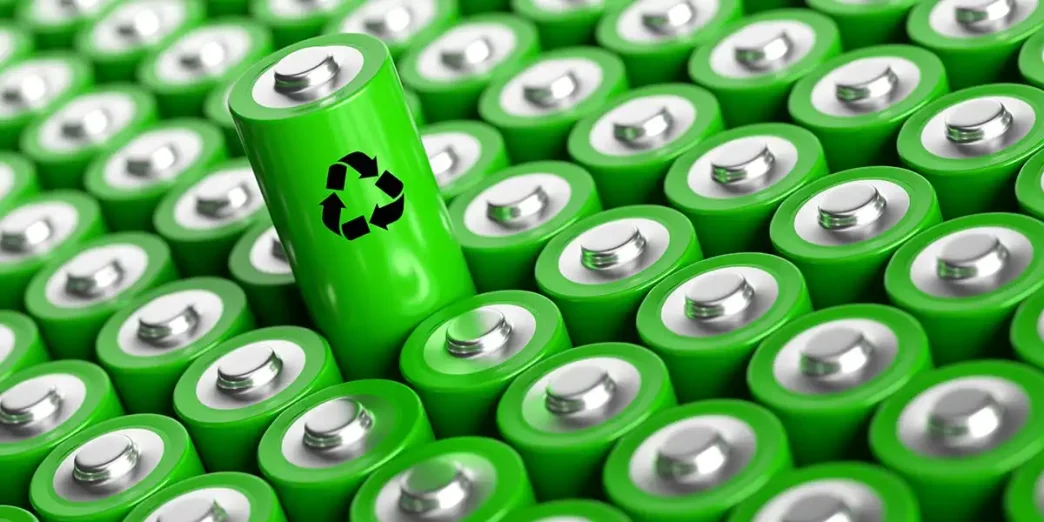
Global tech is entering a new materials era. Companies like Apple now push toward 100% recycled cobalt in batteries. Consequently, global supply chains are shifting away from mining toward recycling.
As this shift accelerates, Nigeria faces a key question. Can Lagos transform rising e-waste into a structured circular economy for battery recycling?
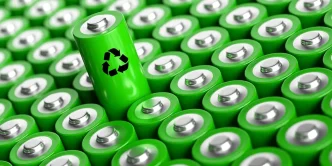
Recycled cobalt is reshaping battery production
Battery makers once depended heavily on mined cobalt. However, they now face pressure from environmental rules and ethical sourcing concerns.
Therefore, many companies now turn to recycled cobalt. In addition, battery producers for electric devices and solar storage systems prefer recycled materials. This reduces emissions and improves supply stability. 
As a result, recycled cobalt is becoming a core input in global battery manufacturing.
Lagos generates a large e-waste supply
Meanwhile, Lagos produces large volumes of electronic waste. Phones, laptops, and solar batteries flow daily into markets like Computer Village.
However, informal collectors dominate most recycling activity. They dismantle devices manually and recover only limited metals. Consequently, valuable materials like cobalt often get lost.
At the same time, solar adoption and used electronics imports continue to increase battery waste across the state.
Startups are building early circular systems
In response, e-waste startups in Nigeria now build structured collection systems. They work with informal collectors and refurbishers to improve recovery rates.
Furthermore, these startups now track global demand for recycled cobalt. As a result, they reposition themselves from waste handlers to material recovery players.
Therefore, Nigeria’s e-waste sector is slowly shifting toward a circular economy model.
Major infrastructure gaps still slow growth
However, Nigeria still lacks a full-scale recycling industry. First, collection systems remain fragmented across informal networks.
Second, advanced recycling requires expensive equipment. Most local operators focus only on dismantling, not full metal recovery.
In addition, weak regulation limits investment in large-scale facilities. Consequently, the sector struggles to scale efficiently.
Solar and digital growth increase battery waste
Meanwhile, Nigeria’s solar adoption continues to rise. Homes and small businesses now depend on battery storage systems.
Furthermore, demand for smartphones and laptops also increases lithium-ion waste. Together, these trends create a steady stream of recyclable materials.
As a result, e-waste will grow into a long-term industrial resource pool.
Nigeria has potential but lacks structure
In theory, Nigeria holds strong advantages. It has large informal recycling networks and high e-waste volumes. In addition, Lagos provides strong market density for collection systems.
However, the system remains unstructured. Without formal recycling infrastructure, most valuable materials still escape recovery.
Therefore, coordination between government, startups, and investors becomes critical.
Conclusion: Nigeria must choose between waste and value
The global shift toward recycled cobalt is more than a sustainability trend. It is a supply chain reset. If Nigeria builds strong circular systems, Lagos can become a battery recycling hub. However, if it fails to act, the country will continue losing valuable materials.
Ultimately, Nigeria must decide whether e-waste stays a disposal problem or becomes a foundation for a new green economy.